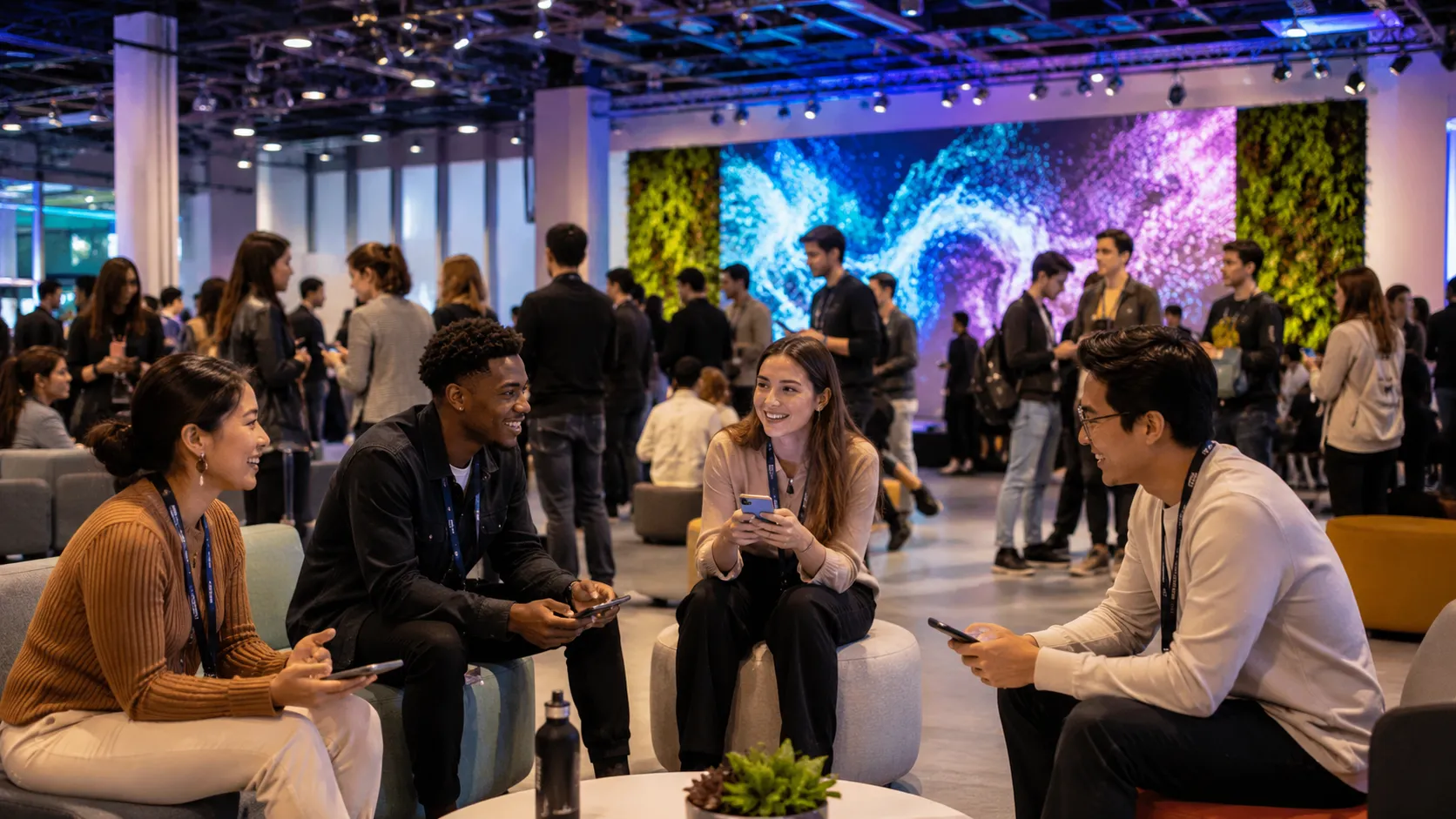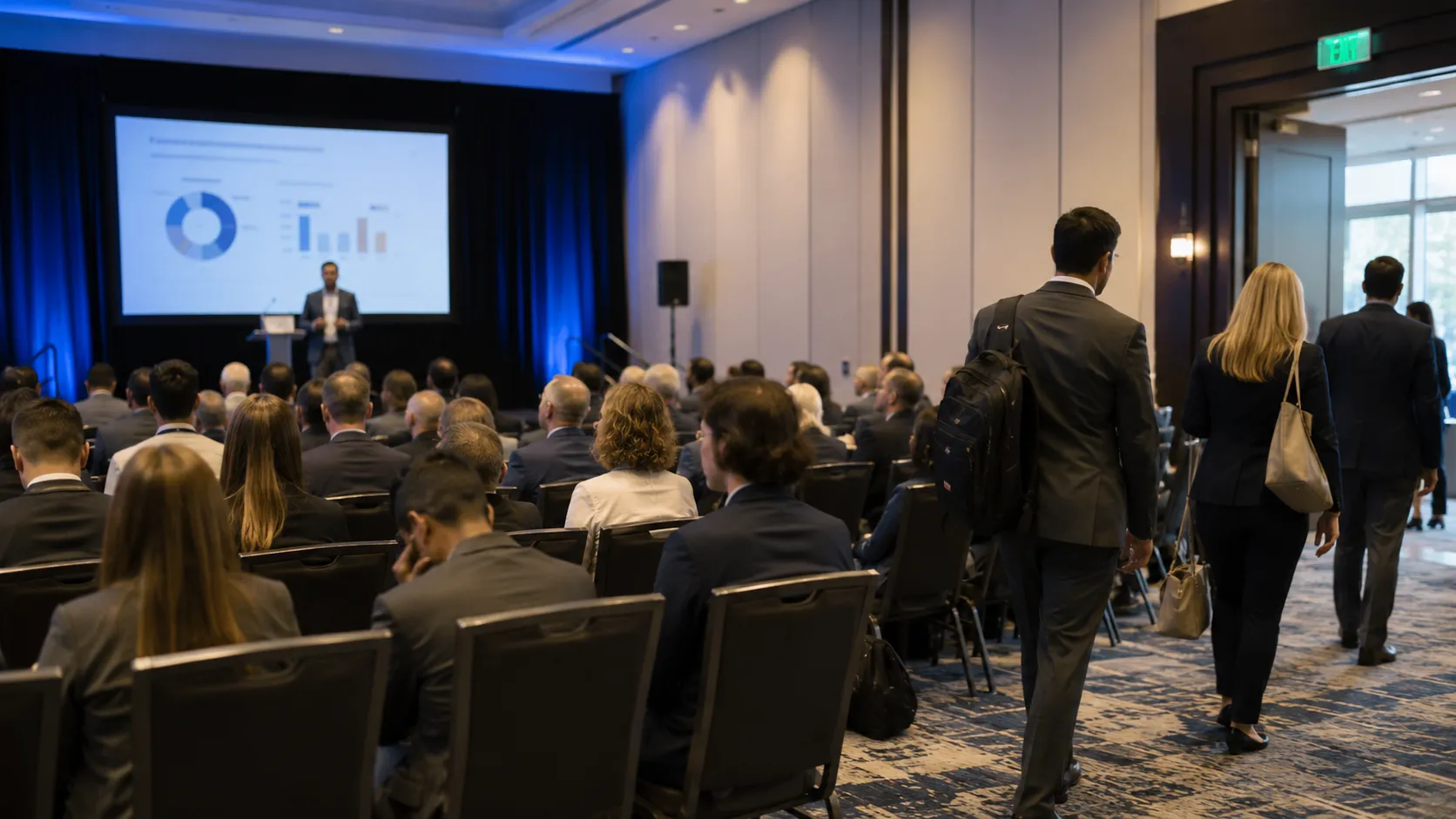
Every conference organizer wants the same thing: full rooms, engaged audiences, and attendees who stay energized until the final session. But the reality is often very different.
By the second afternoon, seats start emptying. Networking lounges thin out. People quietly slip toward airport shuttles hours before the closing keynote begins.
And it’s not always because attendees have early flights.
The truth is that many conferences lose momentum long before they officially end. Today’s attendees are more selective with their time, attention, and energy than ever before. If an event fails to deliver value consistently, people disengage quickly.
Understanding why attendees leave early is one of the most important steps toward creating conferences people genuinely want to stay for.
The Content Feels Repetitive
One of the biggest reasons attendees leave early is simple: they feel like they’ve already heard everything.
Many conferences rely on the same formulas:
- Similar keynote structures
- Generic leadership advice
- Predictable panel discussions
- Overused business buzzwords
After several sessions, attendees begin to feel like the event is repeating itself instead of offering fresh insights.
Modern audiences crave:
- Original perspectives
- Actionable takeaways
- Real-world case studies
- Honest conversations
- Industry-specific insights
When content lacks depth or originality, attendees mentally “check out” long before they physically leave.
The most successful conferences understand that attention is earned continuously—not guaranteed once someone buys a ticket.
Sessions Are Too Long
Attention spans have changed dramatically over the past decade.
Today’s attendees are used to fast-moving content, interactive media, and highly visual communication. Sitting through multiple 60-minute presentations filled with dense slides and corporate jargon can quickly become exhausting.
Long sessions often create:
- Information overload
- Mental fatigue
- Reduced engagement
- Lower retention
Ironically, shorter and more focused presentations often create more impact.
Many modern event planners are now shifting toward:
- TED-style talks
- Interactive workshops
- Fireside chats
- Live audience participation
- Rapid insight sessions
The goal is not simply to fill time—it’s to maintain energy.
Because once attendees begin feeling drained, they start looking for the exit.
Networking Feels Forced and Awkward
Networking is one of the main reasons people attend conferences, yet it’s also one of the biggest pain points.
Traditional networking formats often feel unnatural:
- Large crowded mixers
- Generic icebreakers
- Superficial conversations
- Business card exchanges with little meaning
For many attendees, especially younger professionals and introverts, these experiences can feel more exhausting than valuable.
As a result, people disengage or leave early instead of staying for evening events that feel transactional.
The best conferences today are rethinking networking entirely by creating:
- Smaller curated groups
- Shared-interest discussions
- Interactive experiences
- Activity-based networking
- Comfortable lounge environments
People form stronger connections when conversations happen naturally rather than being forced.
The Event Feels Too Corporate
Many conferences still operate with a highly polished, overly formal atmosphere that can feel disconnected from modern audiences.
Endless sponsor branding, scripted presentations, and excessive corporate messaging often create an experience that feels more promotional than meaningful.
Attendees increasingly want:
- Authentic speakers
- Real conversations
- Human storytelling
- Transparency
- Relatable experiences
When every session feels like a sales pitch, trust begins to disappear.
People don’t attend conferences simply to be marketed to. They attend to learn, connect, and experience something valuable.
The events that keep attendees engaged are the ones that feel human—not overly manufactured.
There’s No Energy Shift Throughout the Day
Many conferences fail because the schedule feels emotionally flat.
A common mistake is stacking presentation after presentation without variation in format, atmosphere, or pacing. Even strong content can become tiring when every hour feels identical.
Great events intentionally create rhythm.
They balance:
- High-energy moments
- Quiet reflection
- Networking opportunities
- Entertainment
- Interactive sessions
- Breaks and recovery time
Without these shifts, attendees experience cognitive fatigue.
And once energy drops too far, people often decide there’s little reason to stay until the end.
Attendees Feel Burned Out
Conference burnout is real.
Packed agendas, crowded spaces, constant social interaction, and information overload can become physically and mentally draining.
Older conference models often treated exhaustion as part of the experience. But modern attendees—especially younger generations—are prioritizing wellness and balance more than ever before.
Today’s audiences appreciate events that include:
- Flexible schedules
- Wellness spaces
- Outdoor areas
- Comfortable seating
- Healthy food options
- Mental recharge breaks
When attendees feel cared for, they stay engaged longer.
When they feel overwhelmed, they leave.
The Final Day Often Feels Like an Afterthought
Many conferences unintentionally signal that the event is “basically over” before it actually ends.
The final day often suffers from:
- Weaker speakers
- Smaller crowds
- Lower production energy
- Reduced activities
- Less exciting programming
Attendees notice this immediately.
If the most valuable sessions happen on day one, people naturally begin leaving early because they assume they’ve already experienced the event’s peak.
Strong conferences treat the final day as a major opportunity, not leftover space on the schedule.
Some of the best events intentionally place:
- Headline speakers
- Exclusive workshops
- High-value networking
- Major announcements
- Interactive experiences
toward the end of the conference to maintain momentum.
The Real Reason People Leave Early
At its core, attendees leave conferences early when the experience stops feeling worth their time.
Modern audiences are not just comparing your event to other conferences. They are comparing it to every other experience competing for their attention:
- Social media
- Streaming content
- Remote work flexibility
- Online learning
- Personal time
- Wellness priorities
That means conferences can no longer rely on outdated formats and passive engagement.
The future belongs to events that are:
- Interactive
- Authentic
- Human-centered
- Emotionally engaging
- Thoughtfully paced
- Designed around attendee experience
Because when people feel inspired, connected, and energized, they don’t look for the nearest exit.
They stay until the very end.