As organizations continue to embrace digital transformation, virtual and hybrid corporate events have become essential tools for engagement, learning, and relationship-building. Whether hosting a fully online conference or a hybrid event combining in-person and remote participation, careful planning is key to creating a seamless, impactful experience. In 2026, best practices focus on technology, engagement, accessibility, and post-event follow-up.
Define Clear Objectives and Outcomes
Before selecting platforms or designing agendas, clarify what you want to achieve. Are you aiming to educate, celebrate, or connect? Clear objectives guide every decision, from session formats to attendee interaction.
Tip: Create measurable goals—such as attendance rates, engagement levels, or lead generation metrics—to evaluate success.
Choose the Right Technology
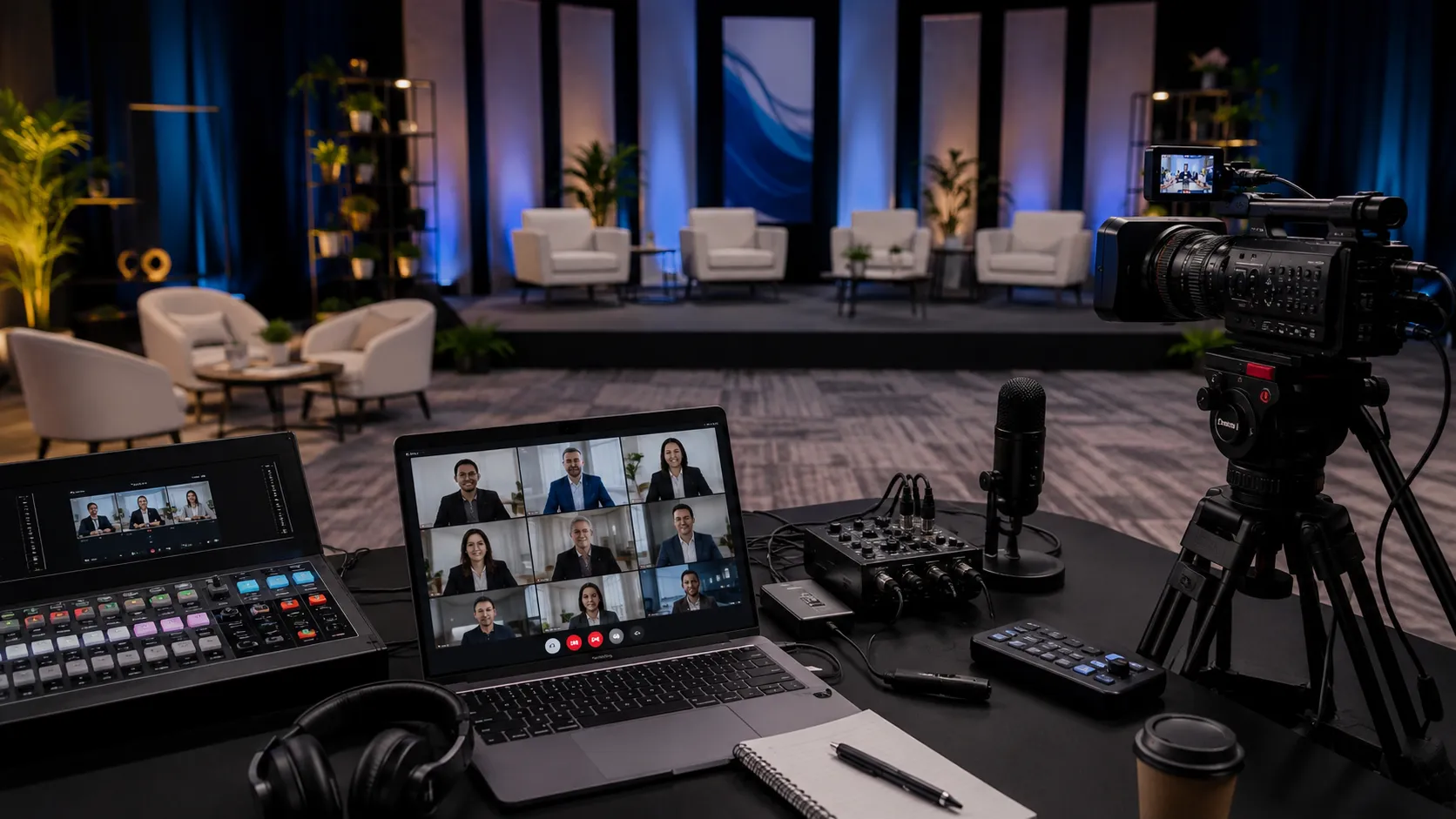
Technology is the backbone of virtual and hybrid events. Selecting platforms that support streaming, interaction, and analytics ensures a smooth attendee experience.
Tip: Look for platforms that offer breakout rooms, live polls, Q&A, and networking features. Test all systems in advance to avoid technical issues.
Prioritize Engagement
Maintaining attention in a digital environment requires intentional strategies. Passive presentations rarely keep audiences engaged online.
Tip: Incorporate polls, live Q&A, gamified challenges, or interactive workshops. For hybrid events, ensure both in-person and remote attendees can participate equally.
Optimize Content for Digital Consumption
Long sessions with dense slides can overwhelm virtual attendees. Digital audiences thrive with concise, visually appealing content.
Tip: Break presentations into short segments, include visuals, and offer downloadable resources. Consider pre-recorded sessions to allow on-demand access.
Focus on Networking and Connection
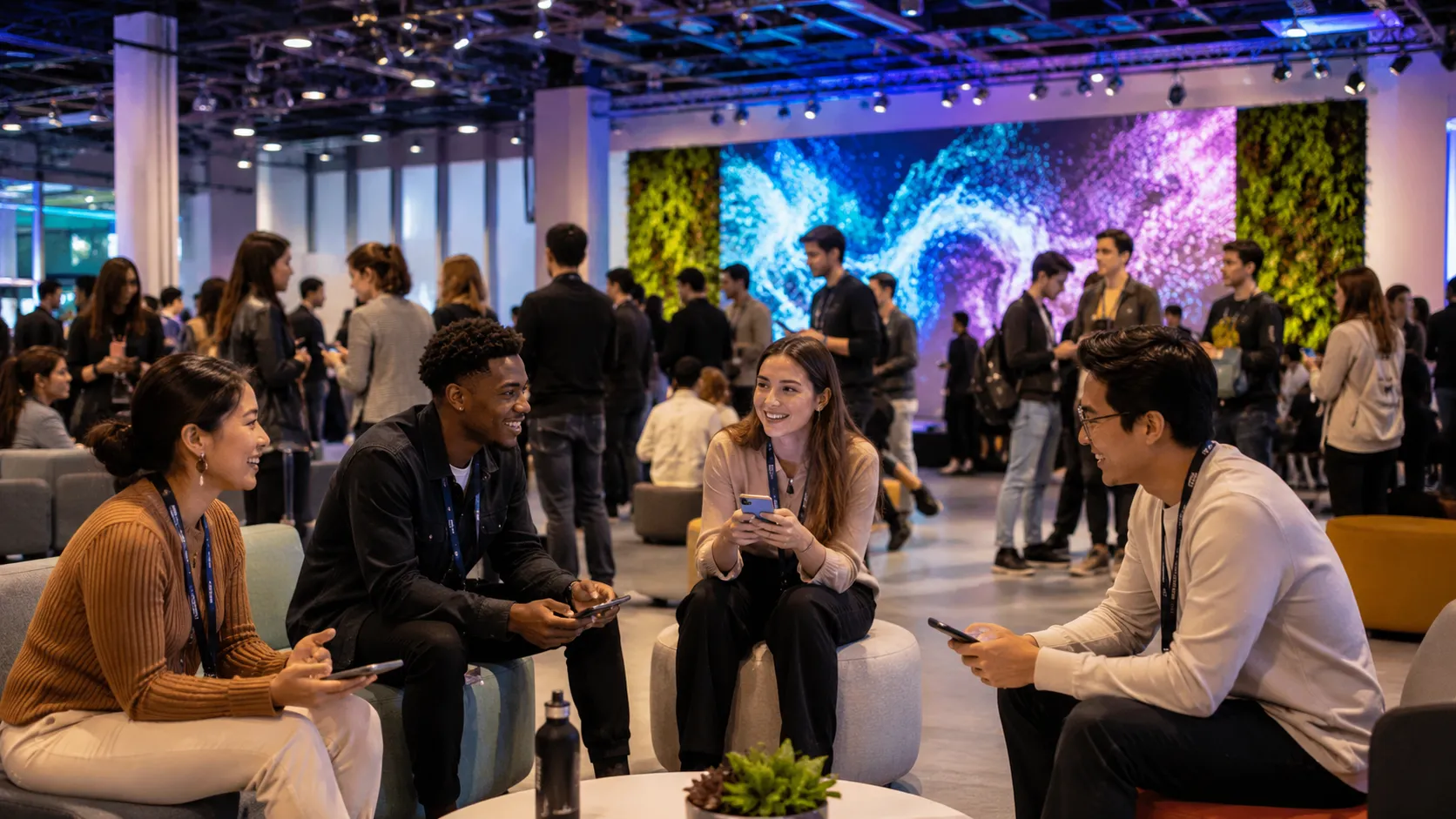
One of the biggest challenges for virtual events is recreating the networking experience. Without intentional design, digital attendees may feel isolated.
Tip: Create virtual networking lounges, scheduled breakout discussions, or structured “meet and greet” sessions. For hybrid events, use live-stream tools to integrate in-person and remote participants.
Ensure Accessibility and Inclusivity
Events are most successful when everyone can participate comfortably. Accessibility and inclusivity are increasingly important considerations.
Tip: Provide captions, translation options, and accessible content. Consider different time zones for global audiences to maximize participation.
Invest in Pre-Event Communication
Clear, timely communication before the event sets expectations and encourages attendance. Providing instructions, schedules, and technical guidance reduces confusion and improves engagement.
Tip: Send reminders with login instructions, session highlights, and tips for networking. Include troubleshooting resources to prevent technical frustration.
Leverage Analytics and Feedback
Digital platforms provide detailed analytics that can inform future events. Tracking engagement, attendance, and interaction allows for continuous improvement.
Tip: Collect feedback through post-event surveys and session ratings. Analyze which content formats and activities were most effective.
Create Post-Event Engagement Opportunities
Your event shouldn’t end when the final session concludes. Follow-up strengthens relationships and reinforces key messages.
Tip: Share recordings, highlight key takeaways, and send personalized thank-you messages. Encourage continued networking through online communities or follow-up workshops.
Embrace Creativity and Innovation
In 2026, attendees expect more than standard webinars or panel discussions. Unique, creative experiences leave lasting impressions.
Tip: Consider virtual reality experiences, interactive product demos, or themed hybrid gatherings. Gamification and surprise elements increase participation and memorability.
Virtual and hybrid events are no longer just alternatives to in-person gatherings—they are strategic opportunities to connect, engage, and deliver value across geographies. By combining thoughtful planning, technology, and audience-focused strategies, your events in 2026 can be seamless, impactful, and memorable.
Pro Tip: Treat virtual and hybrid events with the same level of production and attention to detail as in-person events. The quality of experience defines the attendee’s perception of your brand.
Top 10 Actionable Tips for Virtual and Hybrid Events in 2026
- Set Clear Objectives – Define what success looks like, whether it’s engagement, lead generation, or education.
- Select the Right Platform – Ensure your technology supports streaming, interaction, and analytics. Test thoroughly in advance.
- Break Up Content – Short, visually appealing sessions keep digital attendees attentive and reduce fatigue.
- Encourage Interaction – Use polls, Q&A, chat, and breakout sessions to keep participants engaged.
- Integrate Networking – Create virtual lounges, structured meet-and-greets, or hybrid networking moments.
- Prioritize Accessibility – Offer captions, translation options, and schedule with global time zones in mind.
- Communicate Before the Event – Provide clear instructions, schedules, and technical tips to attendees.
- Use Analytics to Optimize – Track engagement, participation, and feedback to improve future events.
- Follow Up Thoughtfully – Share recordings, summaries, and personalized messages to extend engagement.
- Incorporate Creativity – Add gamification, VR demos, or themed experiences to make your event memorable.
Pro Tip: Every touchpoint—before, during, and after—shapes attendees’ experience. Treat virtual and hybrid events with the same attention to detail as in-person gatherings.