Corporate events are high-stakes occasions. Even seasoned event planners can stumble if they aren’t careful. Here’s a list of common mistakes—and how to sidestep them to ensure a flawless event.
Neglecting Clear Objectives
Many planners jump straight into logistics without defining the event’s goals. Are you trying to educate, celebrate, network, or promote a product? Without clear objectives, the event risks being unfocused and ineffective.
Tip: Start every event plan with a simple mission statement and measurable goals.
Underestimating the Budget
Corporate events often suffer from hidden costs: extra AV equipment, overtime staff, or unexpected catering expenses. Miscalculating the budget can lead to last-minute compromises.
Tip: Build a 10–15% contingency fund into every budget to cover surprises.
Ignoring the Audience
Planning an event based solely on what looks impressive rather than what your attendees want is a recipe for failure. Engagement plummets when the audience feels disconnected.
Tip: Survey participants beforehand or analyze past events to understand their preferences and expectations.
Poor Venue Selection
Even experienced planners sometimes choose a venue based on aesthetics alone, overlooking critical factors like accessibility, parking, capacity, and tech infrastructure.
Tip: Visit the venue in advance, check logistics, and always have a backup plan.
Overloading the Agenda
Trying to pack too many sessions, activities, or speakers into a single day can overwhelm attendees and dilute the impact of your event.
Tip: Prioritize quality over quantity. Include breaks to allow networking and absorption of information.
Underestimating Technical Requirements
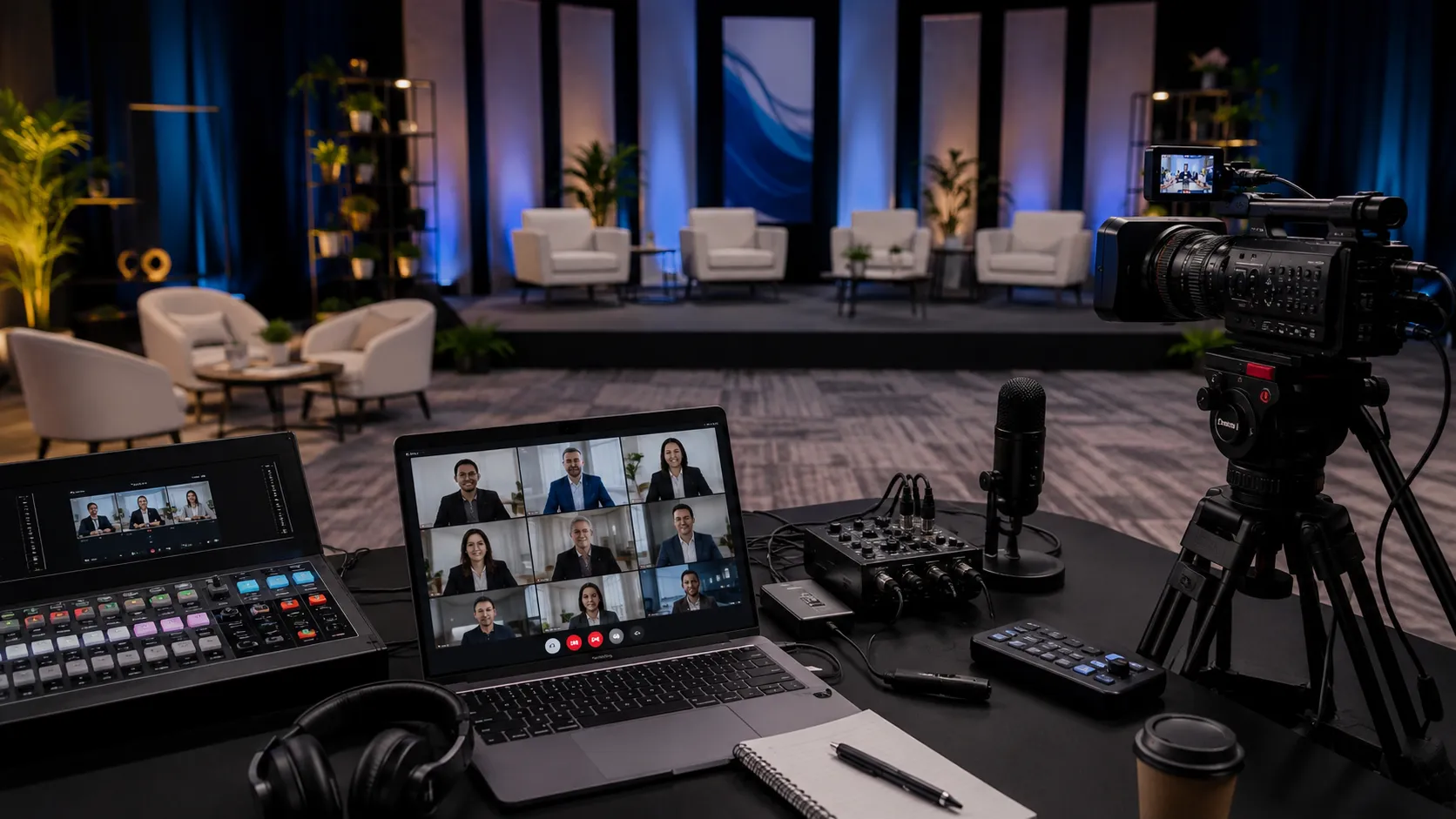
Corporate events rely heavily on technology—AV equipment, live streaming, presentations. Failing to test these can lead to awkward delays and frustrated attendees.
Tip: Conduct a full tech rehearsal with all equipment, software, and internet connections well before the event.
Neglecting Promotion
Even the best-planned events fail if nobody knows about them. Sometimes planners assume internal channels are enough and miss opportunities to engage participants.
Tip: Use a mix of internal communications, social media, and email campaigns to ensure maximum attendance.
Failing to Plan for Contingencies
Weather issues, last-minute speaker cancellations, or catering mishaps can derail even the most meticulous plans. Not having a contingency strategy is a common mistake.
Tip: Always have Plan B options for key elements like speakers, food, and technical support.
Overlooking Post-Event Engagement
Many planners treat the event as “over” once it ends, missing the opportunity to collect feedback, reinforce messages, and build lasting relationships.
Tip: Send follow-up emails, surveys, and share event highlights to continue the engagement cycle.
Ignoring Sustainability
Corporate attendees increasingly expect eco-conscious practices. Using excessive single-use plastics, unnecessary printing, or non-recyclable materials can create negative impressions.
Tip: Consider digital invites, reusable materials, and sustainable catering options to align with modern expectations.
Even experienced event planners are human, and mistakes happen. But by learning from these common pitfalls, you can elevate your corporate events from “good” to “memorable.” Clear goals, contingency planning, audience awareness, and attention to detail are your ultimate safety net.